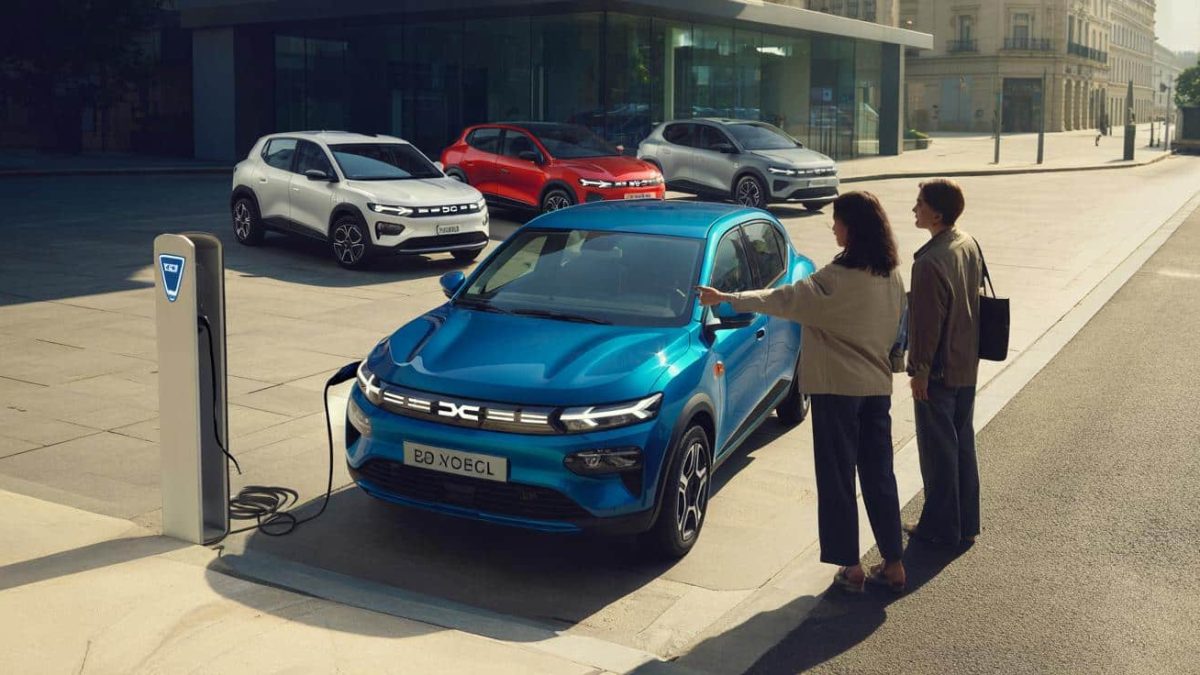
In a bold move that is set to shake up the electric vehicle (EV) market, Dacia, the Renault-owned automaker, has unveiled plans to introduce four new all-electric models over the next few years. The most exciting aspect? The entry-level model will carry a price tag of less than €18,000, making it an accessible option for the average consumer.
This strategic shift towards electrification represents a significant departure from Dacia’s traditional focus on affordable, no-frills vehicles. However, the company remains committed to its core philosophy of delivering exceptional value for money, ensuring that its electric offerings will cater to the needs of everyday drivers.
Dacia’s Ambitious Electric Lineup
Dacia’s electric offensive will see the introduction of four new battery-powered models by 2030. The lineup is expected to include a compact city car, a small SUV, a larger family-oriented vehicle, and potentially even a commercial van variant. This diverse range of options will cater to a wide range of customer preferences and budgets.
The crown jewel of Dacia’s electric portfolio is the sub-€18,000 city car, which promises to democratize electric mobility and make it accessible to a broader segment of the population. By leveraging its parent company’s technological expertise and economies of scale, Dacia aims to deliver an EV that is not only affordable but also practical and well-equipped.
The remaining models in the lineup are expected to be priced competitively, with the goal of providing a viable electric alternative to Dacia’s existing internal combustion engine-powered vehicles. This strategy will enable the brand to maintain its reputation for value-for-money while embracing the sustainable mobility revolution.
Preserving Dacia’s Signature Approach
Despite its foray into electric vehicles, Dacia remains committed to its core brand identity. The company’s focus on practicality, durability, and affordability will continue to be the guiding principles behind its EV development.
Dacia’s “no-frills” approach means that its electric models will likely eschew the high-tech bells and whistles found in more premium EVs. Instead, the emphasis will be on delivering a simple, reliable, and user-friendly driving experience that meets the needs of the average consumer.
This strategy is designed to appeal to the brand’s traditional customer base, who value functionality and cost-effectiveness above all else. By offering electric vehicles that align with their expectations, Dacia aims to seamlessly transition its loyal customer base into the world of sustainable mobility.
The Secret to Dacia’s Affordable EVs
Dacia’s ability to offer electric vehicles at such low price points is the result of a multi-faceted approach that leverages the company’s unique strengths and the Renault Group’s technological resources.
Firstly, Dacia’s emphasis on simplicity and minimalism in design and engineering allows it to reduce manufacturing costs without sacrificing quality or reliability. By stripping away unnecessary features and focusing on the essentials, the company can deliver a more affordable product.
Secondly, Dacia’s partnership with Renault grants it access to the group’s extensive expertise in electric vehicle technology. This includes the use of proven battery and powertrain components, as well as the ability to tap into economies of scale and supplier relationships.
Finally, Dacia’s target customer base of price-conscious consumers enables the company to optimize its products and pricing strategies to meet their specific needs. By catering to this market segment, Dacia can achieve higher sales volumes and further drive down the cost of its electric vehicles.
- ➡Senioren wenden sich von Portugal ab: Warum eine Kurstadt im Südwesten jetzt lockt
- ➡Forscher sind sicher: In diesen Räumen arbeitet dein Gehirn besser
- ➡Einfache Methode mit Alufolie: So schützen Sie Ihre Bankkarte vor Datendieben
- ➡Psychologie-Schock: 10 Zeichen, dass Ihre Beziehung innerlich längst vorbei ist
The Impact on the German Market
The introduction of Dacia’s affordable electric vehicles is expected to have a significant impact on the German market, where the demand for eco-friendly and budget-friendly transportation options is on the rise.
With the German government’s generous “Umweltbonus” (environmental bonus) incentive program, which provides up to €9,000 in subsidies for the purchase of an electric vehicle, Dacia’s sub-€18,000 model could effectively cost German consumers less than €9,000 after the rebate. This level of affordability is poised to attract a new wave of first-time EV buyers who have been priced out of the market.
Additionally, Dacia’s focus on simplicity and reliability is likely to resonate with German consumers, who value pragmatism and practicality in their automotive choices. The brand’s no-frills approach may also appeal to environmentally conscious buyers who are more interested in the functionality and cost-effectiveness of an EV than its technological features.
A New Era of Accessible Electric Mobility
Dacia’s electric offensive represents a significant step forward in the quest to make electric vehicles a viable choice for the masses. By offering an entry-level model at an unprecedented price point, the company is poised to democratize sustainable mobility and challenge the traditional dominance of internal combustion engine-powered vehicles.
- ➡Mit dieser Winterpflanze wird jede Haustür zum Hingucker
- ➡Nie mehr Spüli kaufen: Mit diesem 3-Zutaten-Trick wird dein Abwasch günstiger und grüner
- ➡Übergabe der Olympischen Flagge: Frankreich bereitet sich auf die Spiele 2026 vor
- ➡Frühling wird zur Todesfalle: Warum Ihre Katze jetzt lieber drinnen bleiben sollte
As the world continues to grapple with the urgent need to reduce carbon emissions, Dacia’s affordable EV strategy could serve as a blueprint for other automakers looking to make electric transportation more accessible to the general public. This bold move has the potential to accelerate the adoption of EVs and pave the way for a more sustainable automotive future.
Frequently Asked Questions
What are the key features of Dacia’s affordable electric vehicles?
Dacia’s electric vehicles will focus on practicality, reliability, and affordability. They are expected to have a simple, no-frills design, with a emphasis on essential functionality rather than high-tech features. The entry-level model is targeted to cost less than €18,000.
How does Dacia plan to keep the prices of its electric vehicles so low?
Dacia’s ability to offer affordable electric vehicles is the result of several factors: a focus on minimalist design and engineering, leveraging Renault’s expertise and economies of scale, and targeting price-conscious consumers who prioritize value over luxury features.
What impact will Dacia’s electric vehicles have on the German market?
In the German market, Dacia’s affordable electric vehicles are poised to attract a new wave of first-time EV buyers, thanks to the generous “Umweltbonus” (environmental bonus) incentive program. Their focus on simplicity and reliability is also likely to resonate with German consumers.
- ➡Schneiden Sie Oleander jetzt richtig: So blüht er im Sommer wie verrückt
- ➡Sensationeller Urvogelfund: Deutsches Fossil liefert neuen Beweis für Darwins Evolutionstheorie
- ➡Seit ich diesen Marmorkuchen kenne, will meine Familie keinen anderen mehr
- ➡Studie enthüllt: In diesem Alter fühlen wir uns im Leben am erschöpftesten
How many electric models will Dacia introduce, and when?
Dacia plans to introduce four new all-electric models by 2030. The lineup is expected to include a compact city car, a small SUV, a larger family-oriented vehicle, and potentially a commercial van variant.
Will Dacia’s electric vehicles be available in other markets besides Germany?
While the initial focus is on the German market, Dacia’s affordable electric vehicles are likely to be made available in other European countries as well. The company’s goal is to democratize electric mobility across its key markets.
How does Dacia’s electric strategy fit with the brand’s traditional focus on value-for-money?
Dacia remains committed to its core philosophy of delivering exceptional value for money. Its electric vehicles are designed to maintain this focus, with a emphasis on practicality, durability, and affordability rather than high-end features.
What type of customers is Dacia targeting with its electric vehicles?
Dacia is targeting price-conscious consumers who value functionality and cost-effectiveness over luxury. The brand aims to appeal to its traditional customer base, as well as attract new buyers who are interested in sustainable mobility but have been priced out of the electric vehicle market.
How do Dacia’s electric vehicles compare to other affordable EVs on the market?
Dacia’s electric vehicles are expected to be significantly more affordable than most other entry-level electric models currently available. The sub-€18,000 price point is unprecedented in the industry and could make Dacia’s offerings the most accessible EVs on the market.