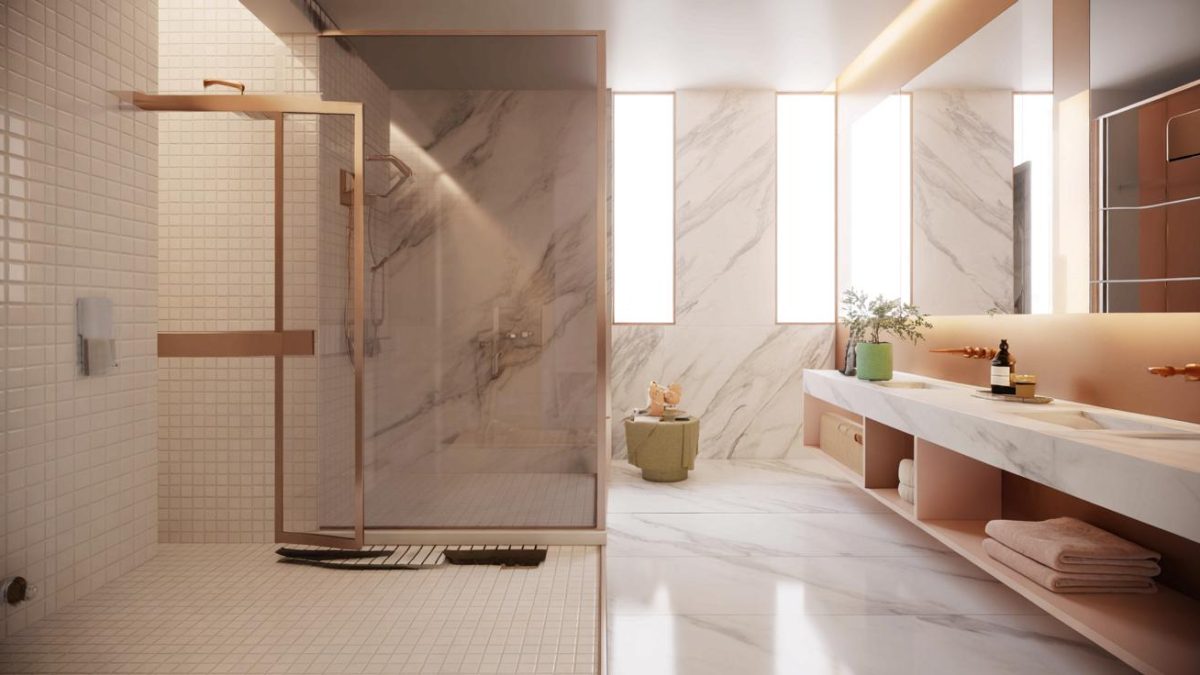
The bathroom has long been a utilitarian, functional space, but a growing trend is transforming it into a true oasis of relaxation and luxury. More and more homeowners are ditching the traditional tile and embracing the timeless elegance of marble. This shift reflects a desire for a more premium, spa-like experience in one of the most intimate rooms of the house.
What’s driving this marble-mania in bathrooms? And why are so many people now investing in this opulent material? Let’s dive into the reasons behind this design transformation.
The Fading Allure of Tiles
For decades, tiles have been the go-to choice for bathrooms, offering a durable and water-resistant surface. However, over time, tiles can start to look dated, chipped, or discolored, especially in high-traffic areas. The grout lines can also become difficult to keep clean, detracting from the overall aesthetic.
As homeowners become more discerning in their design preferences, the limitations of tiles have become increasingly apparent. Many are now seeking a more seamless, high-end look that tiles simply can’t provide.
Additionally, tiles can feel cold and clinical, especially in larger bathroom spaces. The search for a warmer, more luxurious material has led many to explore the timeless allure of marble.
Marble: From Palaces to Rental Apartments
Traditionally associated with grand, opulent spaces, marble has long been the domain of palatial bathrooms and high-end hotels. But today, this premium material is making its way into more and more everyday homes, including rental apartments and smaller-scale renovations.
The shift towards marble in bathrooms is driven by a desire for a more sophisticated, elevated look. Marble’s natural veining and unique patterns create a one-of-a-kind aesthetic that can’t be replicated by synthetic materials. It’s a material that instantly elevates the visual appeal of any bathroom, regardless of the size or budget.
Beyond the aesthetic appeal, marble also offers practical benefits. It’s a durable, water-resistant surface that can withstand the demands of a busy bathroom. With proper care and maintenance, a marble bathroom can last for decades, making it a worthwhile investment for many homeowners.
Marble as a Sensory Experience
The allure of marble in bathrooms goes beyond just the visual. This natural stone also provides a tactile and sensory experience that can enhance the overall relaxation and indulgence of the space.
The cool, smooth surface of marble underfoot can be a refreshing contrast to the heat of a steamy shower or bath. The material’s natural variations and veining patterns also create a sense of organic, luxurious beauty that can’t be replicated by artificial surfaces.
For many homeowners, the transformation of their bathroom into a marble-clad oasis is about more than just aesthetics. It’s about creating a spa-like sanctuary where they can escape the stresses of daily life and immerse themselves in a truly sensual, high-end experience.
Designing with Marble in Mind
As the demand for marble bathrooms grows, interior designers and architects are finding innovative ways to showcase this material in modern, sophisticated settings. From large-scale slabs covering walls and floors to more subtle, accent-like applications, marble is being used to create a range of design statements.
- ➡Übergabe der Olympischen Flagge: Frankreich bereitet sich auf die Spiele 2026 vor
- ➡Waschmaschine zur falschen Zeit: Warum Waschen zwischen 8 und 20 Uhr richtig teuer wird
- ➡Influencer verfolgt Kleiderspenden mit AirTag und bringt Deutsches Rotes Kreuz in Erklärungsnot
- ➡Genius Trick: How Scratched Vinyl Records Become Stylish Decor Bowls in 5 Minutes
Some designers are opting for bold, dramatic looks, using marble as the primary surface material to create a sense of grandeur and luxury. Others are taking a more subtle approach, using marble as a complement to other materials, such as wood or steel, to achieve a more balanced, contemporary aesthetic.
Regardless of the specific design approach, the common thread is a focus on highlighting the natural beauty and unique characteristics of marble. By carefully selecting the right veining patterns, hues, and finishes, designers are able to create bathroom spaces that feel both timeless and utterly modern.
Where Marble Shines the Brightest
While marble can be used in various areas of the bathroom, some spots seem to showcase its beauty particularly well. Vanity tops, for instance, can be transformed into stunning focal points with the rich, distinctive patterns of marble. Similarly, marble floors or walls can create a sense of opulence and sophistication that instantly elevates the entire space.
Showers and bathtubs are also prime candidates for marble applications. The material’s water-resistant properties make it an ideal choice for these high-moisture areas, while its elegant appearance adds a touch of luxury to the everyday bathing experience.
Of course, the decision to use marble in the bathroom ultimately comes down to personal preference, budget, and the specific design goals of the homeowner. But for those who are willing to invest in this premium material, the rewards can be truly transformative.
Caring for Marble: Maintenance, Protection, and Planning
While marble’s beauty is undeniable, it does require a bit more care and attention than some other bathroom materials. The porous nature of the stone means that it is susceptible to staining and etching, especially from acidic substances like citrus, vinegar, or certain cleaning products.
Proper sealing and regular maintenance are essential to keep a marble bathroom looking its best. Homeowners should be prepared to invest in professional sealants and to be diligent about wiping up spills and avoiding harsh cleaners.
When planning a marble bathroom renovation, it’s also important to consider the potential added costs and lead times. Marble slabs can be more expensive than tiles, and the installation process may require specialized skills and equipment. Careful budgeting and planning are key to ensuring a smooth and successful project.
- ➡Was im Alltag verrät, ob jemand eine narzisstische Persönlichkeit hat
- ➡Als die Pest Europa entvölkerte – und die Pflanzenvielfalt mit in den Abgrund riss
- ➡Ist es erlaubt, Lebensmittel kurz vor Ablauf einzufrieren? Eine Virologin klärt auf
- ➡Nie mehr Spüli kaufen: Mit diesem 3-Zutaten-Trick wird dein Abwasch günstiger und grüner
The Future of Bathroom Design
As the trend towards marble bathrooms continues to gain momentum, it’s clear that this timeless material is here to stay. The desire for a more luxurious, spa-like experience in the home has driven this shift, and designers are rising to the challenge by creating innovative, marble-centric bathroom designs.
While the initial investment in a marble bathroom may be higher, the long-term durability and the potential to increase a home’s resale value make it a tempting option for many homeowners. As more people embrace the beauty and indulgence of marble, we can expect to see this trend continue to shape the future of bathroom design.
Whether it’s the allure of the material’s natural elegance or the promise of a truly exceptional bathing experience, the marble bathroom trend is a clear reflection of evolving consumer preferences and the growing desire for a touch of luxury in even the most functional of spaces.
Costs, Alternatives, and Clever Compromises
Of course, the decision to remodel a bathroom with marble is not one to be taken lightly. The material can be significantly more expensive than traditional tiles, and the installation process may require specialized expertise and equipment.
For those on a tighter budget, there are several alternatives and clever compromises that can help achieve a similar high-end look and feel. Engineered quartz, for example, can mimic the appearance of marble at a more accessible price point. Porcelain tiles are another option, as they can be designed to resemble natural stone while offering superior durability and water resistance.
Additionally, homeowners can consider using marble as a focal point or accent, rather than covering the entire bathroom. Strategically placed marble vanity tops, shower walls, or floor tiles can create a luxurious look without the full-scale investment.
| Material | Average Cost per Sq. Ft. (Germany) | Pros | Cons |
|---|---|---|---|
| Marble | €100 – €300 |
|
|
| Engineered Quartz | €50 – €150 |
|
|
| Porcelain Tiles | €20 – €80 |
|
|
“Marble is an investment, but it’s one that can truly transform a bathroom into a luxurious, spa-like retreat. The natural beauty and unique patterns of the stone create an unparalleled sense of elegance and sophistication.”
Also Read– Petra Müller, Interior Designer
“While marble requires a bit more care and maintenance than some other materials, the payoff is a bathroom that feels truly high-end and timeless. With the right sealants and cleaning routine, a marble bathroom can last for decades.”
– Thomas Schneider, Home Improvement Specialist
“The growing demand for marble bathrooms is a reflection of a broader trend towards creating more elevated, indulgent spaces in the home. Homeowners are increasingly willing to invest in premium materials that can provide a truly exceptional, sensory experience.”
Also Read– Julia Weber, Design Trend Analyst
The bathroom has always been a functional, practical space, but the rise of marble is transforming it into a true sanctuary of luxury and relaxation. As homeowners continue to seek out more premium, high-end materials, we can expect to see this trend continue to shape the future of bathroom design.
What are the main benefits of using marble in a bathroom?
The main benefits of using marble in a bathroom include its timeless elegance, natural beauty, and durable, water-resistant properties. Marble can also create a luxurious, spa-like atmosphere and enhance the overall sensory experience of the space.
How does the cost of marble compare to other bathroom materials?
Marble is generally more expensive than traditional tile, with an average cost of €100 to €300 per square foot in Germany. However, there are more affordable alternatives, such as engineered quartz or porcelain tiles, that can provide a similar look at a lower price point.
- ➡Augenexperte klärt auf: Können Augentropfen wirklich süchtig machen?
- ➡4-Euro-Schönheits-Hack: Wie dieser essence-Puder Augenringe verschwinden lässt
- ➡Der unscheinbare Schattengänger: Wie die Lungenkraut-Blüte deinen Garten in ein Insektenparadies verwandeln kann
- ➡Säen Sie diese Turbo-Blumen jetzt im März – Rekord-Blüte schon im späten Frühjahr
What are the maintenance requirements for a marble bathroom?
Marble requires more care and attention than some other materials. Regular sealing, avoiding acidic cleaners, and promptly wiping up spills are essential to keep a marble bathroom looking its best. Proper planning and budgeting for ongoing maintenance is important when considering a marble renovation.
How can homeowners incorporate marble into a bathroom without a full renovation?
Instead of covering the entire bathroom in marble, homeowners can opt for strategic accents or focal points, such as a marble vanity top or shower wall. This can create a luxurious look without the full investment of a complete marble overhaul.
What are the design trends shaping the rise of marble bathrooms?
The growing demand for marble bathrooms is driven by a desire for more elevated, spa-like experiences in the home. Homeowners are seeking out premium materials that can provide a sense of indulgence and relaxation, and designers are responding with innovative, marble-centric bathroom designs.
How can homeowners ensure a successful marble bathroom renovation?
Careful planning, budgeting, and working with experienced professionals are key to a successful marble bathroom renovation. Homeowners should also be prepared to invest in proper maintenance and care to keep their marble surfaces looking their best over time.
What are the environmental considerations for using marble in bathrooms?
While marble is a natural stone material, its extraction and transportation can have environmental impacts. Homeowners interested in more sustainable options may want to explore alternatives like recycled or engineered materials, or work with suppliers that prioritize responsible sourcing practices.
How does the trend towards marble bathrooms reflect broader changes in home design preferences?
The rise of marble bathrooms is part of a larger shift towards creating more luxurious, indulgent spaces in the home. Homeowners are increasingly willing to invest in premium materials and features that can enhance their overall living experience and provide a true sense of relaxation and sophistication.